Family * Travel * Food

How to Co-Parent with an Ex: 3 Tips

Choosing to bring children into the world relies on a certain level of selflessness on your part. You need to be willing and able to put your own needs, desires and feelings aside for the good of the child. Not every couple will be able to make it work, and sometimes the best thing for them to do is to be apart; however, you will always be connected by that child, and so you need to be prepared to co-parent peacefully with your ex. This won’t always be easy, but it will be worth it. Let’s get into it.

Putting Aside Emotion

If the split was acrimonious or you don’t really get along with your ex, then there is likely to be a lot of residual emotion like anger, hurt or even just lingering resentment, and this needs to be put aside for the good of the children. It can be hard to cooperate when you are feeling a lot of negative emotions toward the other person, but it will not benefit your children. 

This isn’t to say that your feelings aren’t valid – of course, they are, but they shouldn’t impact your behavior. Avoid venting to or in front of the children. Coming up with practical solutions can help; if your ex throws out accusations like accusing you of infidelity or questioning paternity, then instead of engaging in an argument, you could simply get a paternity test. Post and prenatal paternity testing by AlphaBiolabs is really easy and accessible, and it immediately puts a stop to these types of questions and conflicts.  

Prioritize Healthy Communication

You cannot expect to co-parent well if you aren’t communicating with each other. However, not all communication is healthy. So, before you reach out to your ex, think about what you want to say and why you want to say it. Does it serve a purpose for your child’s well-being or not? The ultimate goal should be conflict-free, healthy communication, and this might mean texts, emails, phone calls or face-to-face communication. It can look different for different people. 

Try to avoid putting the kids in the middle and resolve issues privately, away from little ears. You should also make sure that you aren’t using the children as messengers; communicate directly whenever possible. Communicating with your ex can be hard, but it can be improved with a number of tactics. You could try to keep a neutral tone, make requests as opposed to demands, listen well and show restraint. 

Everyone disagrees from time to time, it is to be expected, and while you should be prepared for this, you will also need to think about how you can resolve these. What do they say? Manners cost nothing? Well, it’s true. A little bit of respect can go a long way. Even if you do disagree, you will still need to communicate with each other and if you simply can’t, then use a mediator – not your child. 

There are issues that are worth the debate and others that aren’t. Save your energy for those big discussions and try to let the other smaller things go. Lastly, you might think that you are right, but so will your ex! It is unlikely that one of you is going to yield completely; instead, it is far more likely that you are going to need to be able to compromise and look for solutions that make you both happy. 

Remember That You are a Team

 Even if you aren’t together, parenting still should be done as a team; it doesn’t matter if you like each other or if you can’t stand each other anymore. Cooperation and communication are the cornerstones of co-parenting. If you work hard to achieve this, then more often than not, making the childcare decisions together tends to be a lot easier. Whilst you might not always agree on everything, and exposing your kids to differing perspectives is healthy, establishing a base level of consistency is important. 

Work with your co-parent to come up with some basic rules that will be the same across households. It is also worth considering your approach to discipline and thinking about consequences that can be kept the same across households too. If the length of punishment crosses over between households, you should expect your co-parent to follow through as you should too. Lastly, there should also be a certain level of consistency in their schedules too because this can help to make the adjustment easier on the kids. 

When it comes to child-rearing, there are decisions that need to be made, and they should be done so with input from both parents. Decisions such as medical needs, education and financial issues. In some instances, it might be worth designating one parent as the default for contact, although, in those cases, it is then the responsibility of that parent to pass everything along to the other and open up the floor for discussion. 

The Bottom Line

Truthfully, when there are kids involved, you do not have the luxury of animosity. Children pick up on everything, and they will know which parent made the effort and which didn’t. By doing your best to work with your co-parent, you are making life much easier for your children, and one day, they will thank you for it. 

SHARE:

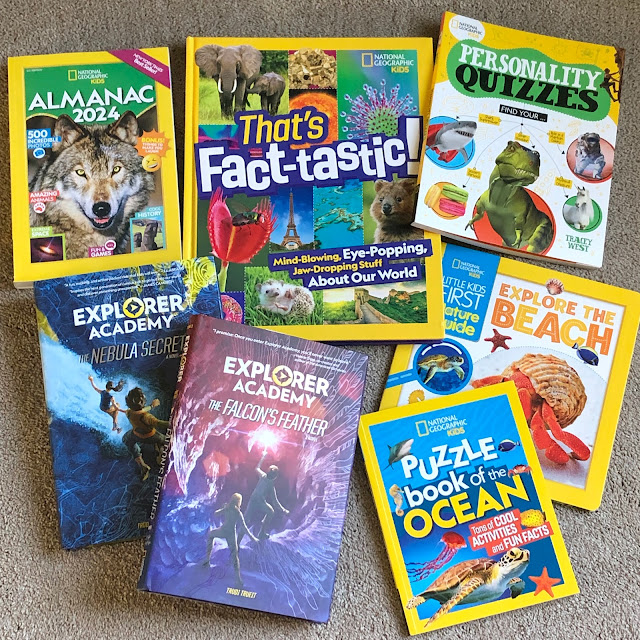
Summer Reading Essentials From Nat Geo Kids + Giveaway

For many of us, summer break is already under way or is soon to come. During the summer break, there are several ways to keep your kids' brains engaged and active. Encouraging reading is a fantastic way to stimulate their minds, whether it's through a summer reading challenge or joining a local library program. Engaging in hands-on activities like arts and crafts, puzzles, and building projects can promote problem-solving skills and creativity. Encouraging them to explore nature through outdoor adventures, such as hiking or gardening, can foster curiosity and a deeper understanding of the world around them. Additionally, enrolling them in summer camps or workshops focused on science, technology, engineering, arts, and mathematics (STEAM) can provide structured learning experiences and spark their interests in these fields. Lastly, limiting screen time and encouraging social interactions with friends and family can promote cognitive and emotional development. By incorporating a variety of activities, you can ensure a summer filled with fun and continued mental growth for your children.

There will definitely be times where kids have a lot of moments waiting in an airport, in the car, or even when they feel like they have nothing to do. Thankfully children's books from National Geographic are a perfect way to fill the time. It's even better when learning about animals is involved. I want to share some titles that your kids of many ages can enjoy this summer. *Please note that this post contains affiliate links. 


Little Kids First Nature Guide: Explore the Beach (ages 4-8, Flex-Bound, $9.99)

Make the most out of any trip to the beach wit this take-along nature guide that helps young children find, identify, and learn about the fascinating animals, plants, and other wonders to be found at the seashore. Young explorers discover a variety of cool creatures, shells, plants, and more at the beach, from crabs skittering across the sand to fish riding the waves to seagulls flying high in the sky. This sturdy take-along guide features:

  • Easy-to-understand profiles of a wide variety of plants and animals commonly spotted at the beach, as well as fan-favorites out in the waves like dolphins, seahorses, and jellyfish
  • Vibrant National Geographic photography that brings the subject matter to life and makes identification easy
  • “Check Me Out!” fact boxes that provide more information about each creature, including its size and color, where it’s found, and what it eat
  •  Gallery pages featuring various beach environments, such as tide pools and sand dunes
  • Cool fun facts sprinkled throughout
  • Simple text for reading aloud or for beginning readers
  • Games, activities, and tips for how and where to explore
  • Helpful glossary
  • Flexible binding for durability


Did you know that a giraffe’s eye is as big as a Ping-Pong ball? Or that about 19 million hot dogs are sold at major league baseball games every year? Or that there is only one bone in your body that’s not connected to another one?  This book is chock-full of fascinating facts, silly stats, and catchy little knowledge nuggets in all kinds of awesome categories, from amphibians to black holes to the gold rush.

Special features include Extreme Weirdness, Strange Places, What's the Difference, and more. Bold, colorful photographs in a supersized format and spectacular information create a winning combination for curious kids who can't wait to learn more about the world.


National Geographic Kids Almanac 2024 (ages 8-12, Paperback, $15.99)

The New York Times best-selling Almanac is packed with incredible photos, tons of fun facts, National Geographic exclusives, games, activities, and fascinating features about animals, science, nature, technology, and more. 


National Geographic Kids Personality Quizzes (ages 8-12, $9.99, Paperback)

What's your shark superpower? What kind of friend are you?

From weird and wacky (What stinky animal are you?) to thought-provoking and informative (What kind of explorer should you be? Which mountain should you climb?), there’s a personality profile for everyone in this totally unique book. Inside you'll find all kinds of quizzes: flow charts, multiple choice, this or that, and more and while you're at it, get to know about amazing animals, places, cultures, and even careers around the world!


Puzzle Book of the Ocean (ages 8-12, Paperback, $6.99)

Headed to the beach this summer?  Make the trip go by in a flash with this ultimate backseat boredom-buster!

Dive into pages and pages of crosswords, sudoku, word searches, mazes, quizzes, word scrambles, and spot the difference puzzles as well as fun facts and vibrant photos of fish, dolphins, sea turtles, and all sorts of ocean animals.  This book will have you swimming for hours through amazing information about the deep blue—just don’t forget to surface!


Adventure, danger, and a thrilling global mission await 12-year-old Cruz Coronado as he joins an elite school for explorers.

In this fan-favorite fiction series, Cruz leaves his tranquil home in Hawaii to join 23 talented kids from around the globe to train at the Explorer Academy with the world's leading scientists to become the next generation of great explorers. But for Cruz, there's more at stake. No sooner has he arrived at the Academy than he discovers that his family has a mysterious past with the organization that could jeopardize his future. In the midst of codebreaking and cool classes, new friends and augmented-reality expeditions, Cruz must tackle the biggest question of all: Who is out to get him ... and why?  Readers can get in on the excitement with puzzles and codes embedded throughout. Learn more here: https://kids.nationalgeographic.com/explorer-academy

GIVEAWAY

These titles are really great and will provide many hours of fun! They are all available on *Amazon, and make a great gift to family and friends. Thank you so much National Geographic Kids for the sample books, and for providing a set for a giveaway for one lucky Mom Files reader to win. Be sure to visit the National Geographic Kids website: http://kids.nationalgeographic.com/

If you are interested in winning a Prize Pack of these National Geographic Kids Books, enter below:
a Rafflecopter giveaway
This giveaway ends on June 17, 2023 and is open to U.S. and Canada Residents only. Please note that Mom Files is not responsible for any lost or stolen prizes since our sponsor takes care of prize fulfillment. All opinions are my own. Thank you for stopping by today! 
SHARE:

How Business Owners Can Balance Family Life And Work

The modern entrepreneur is expected to wear multiple hats, from managing employees and finances to staying up-to-date with industry trends. However, balancing work and family life can be strenuous and often overlooked as business owners prioritize their work responsibilities. In this article, Dennis Bonnen will discuss eight recommendations for business owners to juggle their work and family life effectively.

1. Establish A Routine

Creating a work schedule and routine can help a business owner set clear boundaries between work and family life. Establishing a program reduces the likelihood of overworking or bringing work home, ensuring that personal time is not disrupted. Additionally, a routine promotes time management, allowing a business owner to allocate the necessary time and resources for work and family throughout the day.

2. Delegate Responsibility

As a business owner, delegating tasks can alleviate a sizable workload. Delegating tasks to employees with the necessary skills and qualifications can free up time for personal commitments. An increased volume of work can lead to burnout and may deteriorate mental well-being; it is essential to know when to delegate.

3. Prioritize Time Management 

Effective time management is vital to balancing work and personal life. Creating an action plan or to-do list for the day or week can help a business owner identify critical tasks and ensure they are completed. Time-management tools such as calendar apps can organize their schedule, preventing overlaps and scheduling conflicts.

4. Take Advantage Of Technology 

Technology tools can increase efficiency and productivity, allowing business owners to complete tasks quickly. Advanced software can automate processes, such as scheduling posts on social media platforms, freeing up time for other activities. Technology tools like video conferencing can save time, reduce travel costs, and enable work-life balance.

5. Communicate With Family 

Business owners need to communicate with families to ensure their understanding of the owner's responsibilities and time constraints. Communication with family members about work commitments beforehand is essential to avoid last-minute changes that may clash with personal obligations. Be straightforward about how workdays may be long, certain work obligations may unavoidably extend into private hours, and how the family should adjust to accommodate these occurrences.

6. Schedule Family Time 

As much as a business owner prioritizes work commitments, a business owner should also dedicate time to family activities. Quality family time can provide a much-needed break from work and increase happiness. Delivering family promises can be challenging for the business owner, but it's essential to prioritize leisure time without getting preoccupied with work responsibilities.

7. Take Time For Self-Care 

Business owners must ensure good mental and physical health and allocate time for self-care activities. Exercise, meditation, or a massage session can help reduce stress and increase energy levels. Creating a balance between work and personal life will likely positively affect your mental well-being and physical health, which should thus be deemed necessary.

8. Seek Support 

Some business owners find that staying connected with the community and seeking support is essential for a healthy work-life balance. Joining or forming a support group of like-minded entrepreneurs can help business owners improve their experiences and provide professional and personal growth opportunities. Additionally, seeking professional help from qualified therapists and coaches can provide business owners with the necessary guidance and support to maintain a work-life balance.

Conclusion

Balancing work and family life can be challenging, especially for business owners. As someone who has been working in the business industry, Dennis Bonnen knows full well how it's essential to maintain this balance as it ensures positive mental well-being and improved physical health. Creating a routine, delegating less urgent tasks, prioritizing time management, utilizing technology tools, communicating with family, self-care activities, and seeking support are all effective ways to juggle work and personal life. Business owners should try to employ these methods and find what works best for their specific situation to maintain balance.


SHARE:

Top 5 Ways Your Veterinarian Can Help You Prepare Your Pet for Hurricane Season

NOAA predicts up to nine hurricanes this season, including 1-4 major hurricanes: highlighting the need for preparations

Today, Thrive Pet Healthcare, a leading veterinary service network with 400 locations across the U.S., urged pet owners to take proactive measures to ensure the safety and well-being of their beloved pets following the National Oceanic and Atmospheric Administration’s (NOAA) prediction of up to nine hurricanes, 1-4 major, for the upcoming season, which runs from June 1 to November 30.  

“It only takes one storm to cause a disruption in your household,” said Dr. Anthony Coronado, Thrive Pet Healthcare’s National Director of Emergency Services and Urgent Care. “Pets are equally impacted by these disruptions and depend on their humans to protect them from the potential dangers of hurricanes. A few simple precautionary steps can ensure your pet's safety and well-being when they are at their most vulnerable.”

Thrive Pet Healthcare encourages pet owners to consult with their veterinarian when preparing for hurricane season. Below are the top five ways your veterinarian can help to better prepare you and your pet for hurricanes:

1. Vaccines – Make sure your pets are current on their vaccines, especially rabies, leptospirosis, Bordetella, canine influenza, as well as distemper combination vaccines. Keep a copy of your pet’s vaccination records handy. Some of the shelters, boarding kennels, rescues and hotels that might provide temporary housing for pets after a hurricane frequently require vaccination records.

2. Heartworm preventatives – In the aftermath of flooding, the dampness may result in an increase in the mosquito population. Dogs and cats are at heightened risk of contracting a mosquito-borne illness like heartworm disease if they are not on a routine heartworm preventative or if they miss a dose. Heartworm symptoms are often unnoticeable until irreversible damage has been done. Having your pet on a routine heartworm preventative can mitigate the risk. Ensure you have enough to get through hurricane season should there be any supply disruptions.

3. Flea and tick protection – Like mosquitoes, fleas and ticks also flourish after a storm. Veterinarian-prescribed flea and tick preventatives are the best way to protect your pet from harmful and sometimes deadly parasite-related illnesses.

4. Medications – If you regularly administer medication to your pet, ensure you have enough on hand in case there are supply disruptions or you and your pet have to temporarily relocate following a major storm. Ask your veterinarian for an extra supply of necessary medications.

5. Microchipping – During a storm, pets may escape out of fear or become separated from their owners. A microchip about the size of a grain of rice can be implanted during your pet’s routine wellness exam. It contains a unique ID number registered with the pet owner’s contact information. When a lost pet is found, shelters, rescue centers and veterinarians can scan the microchip, enabling a safe return home.

Pet owners are also reminded to ensure their pets wear collars and tags with up-to-date identification information, including their name, telephone number and any urgent medical conditions that require medication such as heart disease, epilepsy, diabetes or cancer.

To locate a Thrive Pet Healthcare location near you, including primary, specialty, urgent, and emergency veterinary care services, visit www.ThrivePetCare.com

About Thrive Pet Healthcare:

Thrive Pet Healthcare is a leading veterinary service network that uniquely delivers a continuum of care to pet families and services to veterinary hospitals. With an industry-first membership program and over 350 acute, primary, and specialty providers, Thrive Pet Healthcare offers personalized, accessible care through every stage of a pet’s life and health. The veterinarian-founded organization provides premier benefits for practice staff while elevating privately held veterinary hospitals with innovative service and technology solutions. By focusing on the needs and aspirations of veterinary care providers, Thrive Pet Healthcare is supporting the well-being of the industry and raising the national bar for veterinary excellence. To learn more about Thrive Pet Healthcare, please visit www.thrivepetcare.com.

SHARE:

New BUC-EE’S Travel Center Coming to Sevierville, TN on June 26th

Have you ever been to a Buc-ee's Travel Center? We visited the one in Florence, SC a couple times and all I can say is WOW! Everything you've heard is true. It is HUGE and filled with so many goodies, clean bathrooms, and gas pumps galore. There's a new one opening in Sevierville, TN in case you will be in that area at some point. More info is below. 

Buc-ee’s, home of the world’s cleanest bathrooms, freshest food and friendliest beaver, will unveil its newest travel center in Sevierville, Tennessee, on Monday, June 26, 2023. Doors will open to the public at 6 a.m. EST, and a ribbon-cutting ceremony will follow at 11:00 EST. Local and state leaders will attend the celebration. 

When it debuts, Buc-ee’s Sevierville will be the largest travel center in the world. The store’s 74,000-square-foot floor plan will remain the biggest Buc-ee’s until that record moves back to Texas, where construction is currently underway on a 75,000-square-foot location in Luling, TX. 

Located at exit 407 off Interstate 40 and Winfield Dunn Parkway, Buc-ee’s Sevierville offers 120 fueling positions just outside its store with thousands of snack, meal and drink options for travelers on the go. The new travel center also features a state-of-the-art car wash (coming soon), along with the same award-winning restrooms, cheap gas, quality products and excellent service that have won the hearts, trust and business of millions in the South for 40 years. Buc-ee’s favorites including Texas barbeque, homemade fudge, kolaches, Beaver Nuggets, jerky and fresh pastries are all available as well. 


State and local leaders attending the ribbon-cutting ceremony will include Sevierville Mayor Robbie Fox, Sevier County Mayor Larry Waters, EBCI Principal Chief Richard Sneed, and many other partners and officials who helped Buc-ee’s bring the project to Sevierville. 

After the opening of Buc-ee’s Sevierville, Buc-ee’s will operate 46 stores across Texas and the South. Buc-ee’s Sevierville is the second Buc-ee’s location in Tennessee, joining Buc-ee’s Crossville, which debuted on June 27, 2022. Since beginning its multi-state expansion in 2019, Buc-ee’s has opened travel centers in Alabama, Florida, Georgia, Kentucky, South Carolina, and Tennessee. Buc-ee’s recently announced the brand is headed West with store groundbreakings in Colorado and Missouri. The first Virginia location was announced in March of this year.  

“Buc-ee’s Sevierville, located at ‘The 407,’ is nestled in the gateway to Pigeon Forge, Dollywood, Gatlinburg, and of course, the Great Smoky Mountains National Park,” said Stan Beard of Buc-ee’s. “We are thrilled to join such a beautiful community that has long-since been a destination for travelers from around the world.”

Buc-ee’s Sevierville will bring at least 200 new full-time jobs to the area with starting pay well above minimum wage, full benefits, a 100% matching 401k up to 6%, and three weeks of paid vacation. 

About Buc-ee’s

Buc-ee’s is the world’s most-loved travel center. Founded in 1982, Buc-ee’s now has 34 stores across Texas, including the world’s largest convenience store, as well as 12 locations in other states. Buc-ee’s is known for pristine bathrooms, a large amount of fueling positions, friendly service, Buc-ee’s apparel and fresh, delicious food. Originally launched and still headquartered in Texas, Buc-ee’s has combined traditional quality and modern efficiency to redefine the pit stop for their customers. For more information, visit www.buc-ees.com.

SHARE:

Beginners Guide to Whiskey Drinking

Starting with a milder whiskey and cleaning your palate with water in between each sip is recommended for beginners. Adding water can also open up the flavors of the whiskey by diluting it. There are many different types of whiskey, and they all have unique flavor profiles. The most common are bourbon, Tennessee, and rye whiskeys. 

Smell

If you're new to whiskey, trying different kinds might seem like it could be safer. There are so many different flavors and aromas to choose from! However, the good news is that there's whiskey for everyone. The key to finding your favorite is experimenting with it and finding a reputable store like Curiada, which has many options. When you're drinking whiskey, take a moment to enjoy the smell. The nose has five million olfactory cells that can detect 32 primary aromas. You'll notice a lot of hints of the whisky's flavor in its scent. If you're a beginner, having a whiskey aroma wheel handy is helpful to help you identify the different smells and flavors. These are similar to wine aroma wheels and help you identify a whiskey's characteristics.  Whiskey is one of the most versatile drinks, and you can enjoy it in many ways. Whether you prefer your whiskey neat or in a cocktail, knowing how to enjoy it properly is essential. This comprehensive guide to whiskey for beginners will help you learn everything you need to know about the spirit. When tasting whiskey, sniff it before you take a sip. It allows you to detect more aromas and flavors the spirit offers. If you are new to sniffing, try experimenting with different techniques to find what works best for you. Be careful not to inhale too hard, or you could have a sore nose! When drinking whiskey, drinkers recommend using a large chunk of ice. It is because more giant ice cubes melt slower and will dilute the whiskey less quickly. Then, gently swirl the whiskey in your mouth before swallowing it. It is known as the 'mouthfeel' and is when you can experience all of the flavors that the whiskey has to offer.

Mouthfeel

The mouthfeel of whiskey can be complex for newcomers to accept. While it's partly a matter of physiology, it also depends on the individual's expectations and culture. For this reason, it's best to start with a standard whiskey drink before trying something more complex. Ideally, whiskey should be drunk neat or with only a tiny amount of ice. It allows you to experience the whiskey's authentic flavors. However, it's important to note that adding ice can change the flavor and texture of the spirit. It can also numb the taste buds, making picking subtle flavor notes more challenging. Many enthusiasts recommend drinking whiskey with a few ice cubes, which helps open up the spirit and bring out its flavors. However, there may be better ideas for beginners, as they can quickly mask the drink's complexity and make it unpalatable. 

Add water or ice

There are many ways to enjoy whiskey, and while some whiskey connoisseurs may frown upon adding water or ice to their drinks, there is no right or wrong way to consume it. What matters is that you find a method of drinking that maximizes your enjoyment. Whether it's a cut-crystal Glencairn glass, a well-organized ritual, or a brown paper bag, that's up to you. Adding water to a whiskey can help dilute it, which opens up more flavors. However, the type of water and how much you add will alter the taste, so it's essential to experiment with different styles. Filtered tap or spring water can make a difference since they have no chemicals. If you add ice, it's best to use more giant ice cubes or even ice balls, as they melt slower and dilute the whiskey slowly. Also, avoid adding too much ice, as it can numb your taste buds and make the whiskey too cold. 

Add garnish

As you become more comfortable with whiskey, you should experiment with garnishes. Adding a garnish can help you identify different flavors and aromas in the whiskey. It can also add a bit of color to your drink. Try using a lemon twist or a simple cherry to add color to your whiskey. You can enjoy it independently, but it's also a great addition to cocktails. Many novices prefer to mix whiskey with a mixer to get started, and there are many standard cocktails that you can try. Alternatively, you can use a low-calorie mixer. When drinking whiskey, you must take small sips and roll the whiskey around your mouth before swallowing. It will allow you to experience the whiskey's full flavor and texture. You can also add ice to your whiskey, but it's best to use large pieces of ice so that they melt slowly. It will prevent your whiskey from diluting too quickly. You can also use whiskey stones and soapstone chunks that chill your drink without diluting it.

SHARE:

5 Tips for Choosing the Best Ground Beef for Your Recipes

Ground beef is a staple for most families. Whether it’s for chili, meatloaf, or tacos, there are some essential things to consider when selecting your ground beef.

Look for packages with a nice cherry red color. Anything darker may have been exposed to oxygen and could have been spoiled. Also, avoid buying ground beef that looks dry or pasty.

Look for the USDA Quality Grade

When it comes to choosing ground beef for recipes like meatloaf, tacos, or burgers, shoppers may find themselves comparing packages of ground beef that look very similar in the grocery store. While the packaging might say “ground chuck,” “ground round,” or “ground sirloin,” it’s important to know what these terms mean.

The quality grade system evaluates meat for traits that predict tenderness, juiciness, and flavor. The highest grade, Prime, is reserved for carcasses with a high level of marbling and is very tender. The two highest grades are Choice and Select, both very delicate. The lowest three grades are Utility, Commercial, and Canner, and these are typically used for really cheap ground beef and other processed meat products such as hot dogs and dog food.

While the higher-grade ground beef will cost more than cheaper options, it’s well worth the extra expense if you’re looking for the best possible meat for your family. The taste of the heart is far better than what you’d get from a low-grade cut labeled as hamburger or ground beef.

Look for the Lean-to-Fat Ratio

Many ground beef packages list the meat’s quality grade and lean-to-fat ratio. The fat content varies depending on the grind of the beef and its intended use.

The lean-to-fat ratio is usually listed on the package in a slashed number format, with the amount of lean meat before and the fat content after. For example, a box of 80/20 ground beef has a high level of lean meat and a low-fat group, making it ideal for burgers and other recipes that call for a formable patty that won’t fall apart or dry out.

Other types of ground beef are more suited to stews and soups as they contain more fat. One popular choice is ground round, which has a lower fat level but isn’t as juicy as other types of ground beef. It is often used in recipes of moist cooking methods, such as casseroles and stuffed peppers. It can also add moisture and richness to a dish without much fat.

Look for Freshness

Ground beef is one of the most perishable items in the meat case. So it’s important to choose new packages. A bright cherry-red color is a good sign, meaning the meat hasn’t gone bad. Also, be sure to smell the box, as foul odors can tell you a lot about the quality of the heart.

Ideally, it would help you to look for a source grind label, which tells you what part of the animal’s body the meat came from. This makes a difference when cooking, as the fattier cuts are more flavorful and tender.

In addition, choose packages with a “use by” date that is as close to your recipe’s window of opportunity as possible. And be sure to keep raw ground beef and other foods separated in the fridge, as cross-contamination can spread illness-causing bacteria from the meat to ready-to-eat foods. For longer shelf life, Underly likes the little plastic or foam packages (called trays) you sometimes find in the meat case, which can be stored in the refrigerator for about 2-3 days and frozen for up to three months. 

Look for the Meat’s Color

From the basic burger to meatloaf and chili, ground beef is the cornerstone of many dinner recipes. But have you ever considered what kind of ground meat you’re grabbing off that shrink-wrapped tray in the supermarket?

Those bright red packages of ground beef may look the same at a glance, but they each have a unique lean-to-fat ratio and come from different cuts of meat. Choose one that suits your cooking needs and goals, and opt for a high-quality cut of meat whenever possible.

To make the best choice, select a “source grind” that specifies which cut of meat is used in the mix. Canal House recommends selecting ground chuck (from the neck and shoulder) for casseroles and meatloaf and 80 percent lean ground sirloin for hamburgers.

Look for ground beef that is a rosy pink with defined white flecks of fat to ensure that the meat is fresh. Ground grayish or brown beef is a sign of spoilage and should be thrown away immediately for food safety reasons. The color change is due to the meat’s myoglobin changing to oxymyoglobin as it is exposed to oxygen.

Look for the Butcher’s Mark

Ground beef is a staple in many meals. It’s convenient, inexpensive, and delicious. However, not all ground beef is created equal. The quality of ground beef can make or break your recipe. This is why you should always buy the best ground beef you can afford. Whether you are making burgers, meatloaf, or casseroles, you want ground beef that is tender and flavorful. The best way to achieve this is to get your ground beef from a butcher or deli.

At the supermarket, look for packages that say what kind of cuts were used to produce the ground beef you are purchasing. For example, you will see boxes that indicate ground chuck, ground round, or ground sirloin. This will tell you what fat percentage was used and show its quality.

Always store your ground beef properly and avoid raw meats or ready-to-eat foods. Raw ground beef can spread illness-causing bacteria to those foods and utensils that come into contact with it. Also, never pour its liquified fat down the drain when cooking ground beef. This can cause clogs and lead to future plumbing problems.

SHARE:

How to Spot a Receding Hairline in Its Early Stages

Looking back at photos from several years ago can be a great way to assess how your hairline changes. To observe how your hair is thinning or growing, you can also pay special attention to your scalp when in the shower or good lighting. 

Thinner Areas of the Scalp

A receding hairline is a significant cause for concern. The sooner it is identified, the better the chance of reversing or minimizing its effects. Hair loss experts agree that it’s essential to recognize the early signs so that they can take action to stop a receding hairline before things progress out of control.

The first sign to look for is thinner areas of the scalp. While it’s normal to lose some strands of hair each day, if you are losing more than usual, this could be an early indication that your hairline is receding.

You should also pay attention to the way your hair feels daily. If it feels lighter when you run your fingers through or comb it, this may be an early indicator of thinning hair. Many medications for baldingcan help slow down the appearance of a receding hairline.

Some men have embraced their receding hairlines and are still considered attractive and sexy. Regardless, if you notice that one side of your head is thinning more than the other, it’s worth seeking out the advice of a medical professional. There may be underlying health conditions, such as thyroid or nutritional deficiencies, need to be addressed.

Changes in the Shape of Your Hairline

Many men can avoid receding hairlines by catching it in time and using treatment options. However, some have yet to be as lucky and have experienced thinning that has extended beyond the hairline and onto other areas of their scalp. These cases can be caused by diffuse thinning, which typically results in hair loss from multiple locations at once rather than one specific place.

The first sign of a maturing hairline is that the line parting your hair moves forward and becomes more prominent. To determine whether this is true for you, look closely at your hairline and see where the highest crease in your forehead is. If the new hairline is up to a half-inch taller than this, you can be sure that your receding hairline is maturing and not a precursor to baldness.

Knowing this is entirely normal is essential if you have a receding hairline. Hair loss is a natural part of aging, and both women and men experience it to some extent. However, receding hairlines can be a source of stress for some people, and it's worth addressing the issue before it gets out of hand. Talk to a doctor or trichologist about your hairline matters, and they can offer some advice.

Scalp Thinning

Hair loss often occurs gradually, and it can be challenging to determine if your hairline is maturing or in the early stages of receding. It’s also difficult to distinguish between a mature hairline and the beginning of male pattern baldness, which typically begins with a visible M-shaped thinning of the hair at the temples and a widened widow’s peak at the front of your scalp.

Your barber has a bird’s eye view of your scalp, so they may be able to provide you with an accurate assessment of the condition of your hairline. If your hairline is maturing, they can suggest a variety of haircuts that will add volume and conceal thin spots. While this is a Band-Aid solution and won’t stimulate new growth, it can make you feel more confident and comfortable as you pursue other hair restoration treatments.

It’s normal to lose 50-100 hairs each day, but if you’re losing more than that regularly, it could be a sign that your hair is thinning and that a receding hairline is imminent. It’s essential to catch this as soon as possible because once you experience a receding hairline, reversing the effect with medications and other non-invasive treatments is more challenging. Fortunately, if you notice these early signs of a receding hairline, you can take steps to slow down or prevent the progression with the help of a hair loss specialist, or even opting for cosmetic treatments such as Scalp Micropigmentation to reduce the appearance of thinning of the hair on the scalp. 

Changes in the Color of Your Hair

A receding hairline can also signify that your hair is getting thinner overall. This is especially true if your hair appears dull or lackluster compared to how it looked previously.

This may result from thinning hair or even a complete loss of your hair. Consider a haircut that can help cover your thinning scalp if this is the case. A slicked-back undercut is one of the best options, which can help make your hair appear thicker and hide bald spots.

Another common sign of a receding hairline is a sagging, sunken forehead. This can be caused by traction alopecia or a medical condition known as frontal fibrosing. In both cases, the disease can cause thinning hair along the temples and a receding hairline.

While it is natural to be worried about a receding hairline, it is essential to keep in mind that most of the time, these changes are not severe and can be dealt with with certain medications or treatments. It is necessary to check in with a dermatologist or trichologist when you notice these symptoms so that they can properly diagnose what’s happening and recommend the right course of action.

A dermatologist can run a series of tests to determine the cause of your receding hairline. These may include a biopsy, which involves removing a small amount of scalp tissue and evaluating it for any signs of illness or damage. They may also run bloodwork to see if any conditions, such as thyroid disease, contribute to hair loss.

SHARE:

Tips to Make the Transition from High School to College Student

Congratulations! You've made it through high school, and now it's time for the next step: college. For many students, this is an exciting and challenging transition. College life is different from high school life in many ways, and one of the biggest changes is living in a dorm. In this blog post, we'll give you some tips on how to prepare for this transition and make the most of your college experience.

Start Packing Early

One of the first things you should do when preparing for college is start packing early. Don't wait until the last minute to start packing your bags. Make a list of everything you'll need for your dorm room and start shopping for these items. Keep in mind that most dorm rooms are small, so you'll need to be strategic about what you bring. Some essential items to consider include bedding, towels, toiletries, a mini-fridge, and a microwave. Check with your college to see if there are any restrictions on what you can bring, as some colleges prohibit certain items like hot plates.

Connect with Roommates

Living in a dorm means you'll be sharing your living space with other students. It's essential to connect with your roommates before you move in. Consider reaching out to them over social media or email to introduce yourself and start getting to know each other. Discussing things like sleeping habits, study habits, and guest policies can help you establish some ground rules and avoid any potential conflicts. 

Learn about Dorm Life

Living in a dorm is different from living at home or in an apartment. You'll be sharing common areas like the bathroom and kitchen, and you'll need to be considerate of your neighbors. Take some time to learn about dorm life before you move in. Read up on your college's policies on things like quiet hours and guest policies. You may also want to find out if there are any events or activities planned for move-in day, as this can be a great opportunity to meet other students and get involved in campus life.

Develop Time Management Skills

College can be a busy and demanding time, so it's essential to develop good time management skills early on. Start by setting a schedule for yourself, including time for studying, attending classes, and socializing. Use a planner or calendar to keep track of important dates like exams and assignments. You may also want to consider finding a part-time job or volunteering to help you stay organized and manage your time effectively.

Be Open-Minded

College is a time for exploration and growth, so it's important to be open-minded and willing to try new things. Don't be afraid to step outside of your comfort zone and explore different areas of interest. Consider joining a club or organization that aligns with your interests or trying out a new sport or activity. This can be a great way to meet new people and make connections on campus.

Take Care of Yourself

Finally, it's essential to take care of yourself as you transition to college life. This means taking care of your physical, mental, and emotional health. Make sure you're getting enough sleep, eating healthy foods, and getting regular exercise. You may also want to consider seeking out resources like counseling services or support groups to help you manage any stress or anxiety you may be experiencing.

The transition from high school to college can be challenging, but it's also an exciting time of growth and exploration. By following these tips, you can prepare for the transition to college and living in a dorm, and make the most of your college experience. Remember to be open-minded, stay organized, and take care of yourself, and you'll be well on your way to success in college and beyond. Good luck!

SHARE:

Burberry & Theory Comm to Host Mother’s Day Mommy & Me High Tea Event at Burberry Lenox Square

 Burberry & Theory Comm to Host Mother’s Day Mommy & Me High Tea Event at Burberry Lenox

WHO:

Burberry and Theory Communications co-founders - Andrea & Erica Hamilton

WHAT:

In celebration of Mother’s Day weekend, Burberry at Lenox Square and Theory Communications will host a Mommy & Me High Tea shopping event. Guests will indulge in refreshments, music, as well as an exclusive look at Burberry’s new TB Handbag. Guests are welcomed and encouraged to bring their children to this amazing shopping soirée.

Adult and Youth ready to wear will be available to shop.

WHEN:

Friday, May 12, 2023

5:30P - 8:30P

WHERE:

Burberry

Lenox Square

3393 Peachtree Rd.

Atlanta, GA 30326

Located on the first floor in the Neiman Marcus wing

RSVP for Access to: TRINA.PAGE@BURBERRY.COM

RSVP is mandatory to gain admission to this exclusive event.

SHARE:

How To Find The Right Career For You

Some people know exactly what they want to do with their lives. They have a firm idea in their heads of what career they want and how they want to progress with it. Some people may want to be a trucker and wear the latest trucker hats. Others may wish to work with the public on the telephone and sit at a computer all day. 

A lot of people, however, are unsure as to what they want to do. Don’t worry, this article can help you to get one step closer to finding the career that’s right for you. 

Think About Your Hobbies

What is it that you love to do? Many people have things that they enjoy and some can even turn them into a career. You may, for example, like to: 

  • Take dance classes and dance as much as you can
  • Drawer unique pictures or in a unique style 
  • Write stories and reports 
  • Gardening
  • Sew and knit 
  • Building or mending things made from metal or wood

If your hobbies include any of the above, there’s a real chance that they could be turned into a career. Don’t worry, the above list is not exhaustive, it’s just an example. There are many other hobbies that could be turned into a career.

Ask Others What They Want To Do 

Your friends and family members may give you a few ideas. It’s always worth talking to others as they may suggest options you have not yet considered. 

Look For Jobs That Seem To Appeal 

If you are ready to start looking for work, look for jobs that appeal to you. 

Consider applying for these jobs even if you don’t have the necessary skills or experience. 

There are many jobs out there so it’s worth looking around. 

Don’t be afraid to look for jobs that involve working in a restaurant or a store. 

Everyone has to start somewhere. You could earn money while you look for your ideal job

Get Some More Qualifications 

You may make yourself more open to specific jobs if you gain more qualifications. Think about the type of qualifications you would like to have. Start working towards them even if it means that you have to go to night school. 

Take a class or two each week and learn something new or even more about a subject that interests you. Gaining a few new qualifications can potentially open up a whole new world of opportunities. It’s these opportunities that could help you to get a job you love. 

Don’t Put Pressure On Yourself 

Many people put pressure on themselves to look for a good career. 

However, the more pressure they put themselves under, the less likely they are to find something they truly enjoy. 

Take your time and have a good look around. See what careers are out there and what appeals to you. Sooner or later you could find something that’s just right. 

Use the above tips to help you to find the right career for you. 

SHARE:

Why Should We Care About Sustainability?

Everybody should care about sustainability for a number of reasons. You don’t necessarily need to be a self-proclaimed eco-warrior to do your part for the environment, but it’s important to take steps to protect the planet in every way possible.

Despite how it might feel, you can make a difference in the world as an individual. The small steps that you take in your life to live more sustainably can have a larger impact on the environment. Something as simple as purchasing eco-friendly sofas instead of traditional pieces of furniture or recycling pens and pencils can preserve raw materials and reduce carbon emissions.

Why Should You Care About Sustainability?

We only have one planet, so we need to take good care of it. Keep reading to learn more about why you should care about sustainability.

Reason 1 - We rely on the Earth to survive

The modern-day lifestyle relies on the Earth’s natural resources. We need Earth for food, energy, and materials for clothing and housing.

Without the Earth’s resources, we wouldn’t be able to survive as a human race, especially with the lifestyles that most of us lead nowadays. Eventually, these resources will become so depleted that there’s no turning back unless we start taking action now.

Although ore is being done to reduce the usage of raw materials and there has been significant developments since the creation of recycling, there’s still a lot more that can be done!

Reason 2 - Sustainability has ethical roots

Sustainability isn’t just important for preserving the Earth’s natural resources. It’s also rooted in ethics.

More and more people are becoming aware of the damaging impacts our actions as a human race have on the environment. The increased rate of global warming and mass deforestation is causing millions of animals and plants to die every year.

By living sustainably, we can slow down global warming and save our planet and all of its inhabitants. Recycling, reducing your personal carbon footprint, and reducing your energy consumption at home are all great ways to lead a more sustainable lifestyle.

Reason 3 - Sustainability supports the economy

Living sustainably can boost the economy in a number of ways. For example, one of the best ways to reduce your carbon footprint is to shop locally. Purchasing your food and products from nearby farmers and stores not only cuts emissions but also supports your local economy.

Sustainability can also create new jobs, known as green jobs, in several sectors, such as the renewable energy industry and the recycling industry. Recycling centers require an ongoing cohort of staff to sort through waste materials, and policy creators are needed to create new rules and regulations around recycling and composting.

The University of Massachusetts completed a study showing that for every green job created in the United States, an additional 2.5 jobs are created elsewhere. Plus, green jobs are often better paid than the equivalent non-green jobs.

SHARE:

Delicious Summer Cocktails and Mocktails for Entertaining

Summer is the perfect season for entertaining friends and family outdoors, and what better way to do it than with some delicious and refreshing cocktails and mocktails. Whether you are hosting a backyard barbecue or a pool party, these recipes are sure to impress your guests and keep them cool and hydrated during those hot summer days. 

Classic Margarita

Ingredients:

  • 2 oz. Tequila
  • 1 oz. Lime Juice
  • 1 oz. Simple Syrup
  • Salt for the rim

Instructions:

  1. Rub the rim of a rocks glass with a lime wedge, then dip it into a plate of salt.
  2. Fill the glass with ice.
  3. In a shaker, combine tequila, lime juice, and simple syrup with ice.
  4. Shake vigorously for about 10 seconds, then strain into the prepared glass.
  5. Garnish with a lime wedge and enjoy!                                                                                                

Watermelon Agua Fresca

Ingredients:

  • 4 cups chopped seedless watermelon
  • 2 cups water
  • 1/4 cup honey
  • 2 limes, juiced

Instructions:

  1. Combine watermelon, water, and honey in a blender and blend until smooth.
  2. Add lime juice and blend again.
  3. Pour the mixture through a fine-mesh strainer into a pitcher.
  4. Chill in the refrigerator until ready to serve.
  5. Serve over ice and garnish with a slice of watermelon.

Pineapple Coconut Mojito

Ingredients:

  • 1/4 cup fresh mint leaves
  • 1/4 cup pineapple chunks
  • 1 tbsp. coconut cream
  • 1 tbsp. honey
  • 1/2 lime, juiced
  • 1 1/2 oz. rum
  • Club soda

Instructions:

  1. In a cocktail shaker, muddle together mint leaves, pineapple, coconut cream, honey, and lime juice.
  2. Add rum and ice to the shaker and shake vigorously for about 10 seconds.
  3. Strain the mixture into a glass filled with ice.
  4. Top with club soda and garnish with a sprig of mint and a slice of pineapple.                                   

Strawberry Lemonade Mocktail

Ingredients:

  • 1 cup fresh strawberries, hulled
  • 1/2 cup freshly squeezed lemon juice
  • 1/4 cup honey
  • 2 cups cold water
  • Lemon slices and strawberries for garnish

Instructions:

  1. In a blender, puree strawberries, lemon juice, and honey until smooth.
  2. Pour the mixture through a fine-mesh strainer into a pitcher.
  3. Add cold water and stir well.
  4. Chill in the refrigerator until ready to serve.
  5. Serve over ice and garnish with lemon slices and strawberries.

Peach Bellini

Ingredients:

  • 1 ripe peach, peeled and pitted
  • 1 tbsp. honey
  • 1/2 bottle Prosecco

Instructions:

  1. Puree peach and honey in a blender until smooth.
  2. Pour the mixture into a champagne flute.
  3. Top with Prosecco and stir gently.
  4. Serve immediately and enjoy!

These summer cocktail and mocktail recipes are perfect for entertaining guests and cooling off during hot summer days. Try them out and get creative with your own ingredients and flavors to make your signature drinks that everyone will love. Cheers to a fun and refreshing summer!

SHARE:
Blogger Template Created For Mom Files All Rights Reserved