Family * Travel * Food

Top 5 Ways Your Veterinarian Can Help You Prepare Your Pet for Hurricane Season

NOAA predicts up to nine hurricanes this season, including 1-4 major hurricanes: highlighting the need for preparations

Today, Thrive Pet Healthcare, a leading veterinary service network with 400 locations across the U.S., urged pet owners to take proactive measures to ensure the safety and well-being of their beloved pets following the National Oceanic and Atmospheric Administration’s (NOAA) prediction of up to nine hurricanes, 1-4 major, for the upcoming season, which runs from June 1 to November 30.  

“It only takes one storm to cause a disruption in your household,” said Dr. Anthony Coronado, Thrive Pet Healthcare’s National Director of Emergency Services and Urgent Care. “Pets are equally impacted by these disruptions and depend on their humans to protect them from the potential dangers of hurricanes. A few simple precautionary steps can ensure your pet's safety and well-being when they are at their most vulnerable.”

Thrive Pet Healthcare encourages pet owners to consult with their veterinarian when preparing for hurricane season. Below are the top five ways your veterinarian can help to better prepare you and your pet for hurricanes:

1. Vaccines – Make sure your pets are current on their vaccines, especially rabies, leptospirosis, Bordetella, canine influenza, as well as distemper combination vaccines. Keep a copy of your pet’s vaccination records handy. Some of the shelters, boarding kennels, rescues and hotels that might provide temporary housing for pets after a hurricane frequently require vaccination records.

2. Heartworm preventatives – In the aftermath of flooding, the dampness may result in an increase in the mosquito population. Dogs and cats are at heightened risk of contracting a mosquito-borne illness like heartworm disease if they are not on a routine heartworm preventative or if they miss a dose. Heartworm symptoms are often unnoticeable until irreversible damage has been done. Having your pet on a routine heartworm preventative can mitigate the risk. Ensure you have enough to get through hurricane season should there be any supply disruptions.

3. Flea and tick protection – Like mosquitoes, fleas and ticks also flourish after a storm. Veterinarian-prescribed flea and tick preventatives are the best way to protect your pet from harmful and sometimes deadly parasite-related illnesses.

4. Medications – If you regularly administer medication to your pet, ensure you have enough on hand in case there are supply disruptions or you and your pet have to temporarily relocate following a major storm. Ask your veterinarian for an extra supply of necessary medications.

5. Microchipping – During a storm, pets may escape out of fear or become separated from their owners. A microchip about the size of a grain of rice can be implanted during your pet’s routine wellness exam. It contains a unique ID number registered with the pet owner’s contact information. When a lost pet is found, shelters, rescue centers and veterinarians can scan the microchip, enabling a safe return home.

Pet owners are also reminded to ensure their pets wear collars and tags with up-to-date identification information, including their name, telephone number and any urgent medical conditions that require medication such as heart disease, epilepsy, diabetes or cancer.

To locate a Thrive Pet Healthcare location near you, including primary, specialty, urgent, and emergency veterinary care services, visit www.ThrivePetCare.com

About Thrive Pet Healthcare:

Thrive Pet Healthcare is a leading veterinary service network that uniquely delivers a continuum of care to pet families and services to veterinary hospitals. With an industry-first membership program and over 350 acute, primary, and specialty providers, Thrive Pet Healthcare offers personalized, accessible care through every stage of a pet’s life and health. The veterinarian-founded organization provides premier benefits for practice staff while elevating privately held veterinary hospitals with innovative service and technology solutions. By focusing on the needs and aspirations of veterinary care providers, Thrive Pet Healthcare is supporting the well-being of the industry and raising the national bar for veterinary excellence. To learn more about Thrive Pet Healthcare, please visit www.thrivepetcare.com.

SHARE:

New BUC-EE’S Travel Center Coming to Sevierville, TN on June 26th

Have you ever been to a Buc-ee's Travel Center? We visited the one in Florence, SC a couple times and all I can say is WOW! Everything you've heard is true. It is HUGE and filled with so many goodies, clean bathrooms, and gas pumps galore. There's a new one opening in Sevierville, TN in case you will be in that area at some point. More info is below. 

Buc-ee’s, home of the world’s cleanest bathrooms, freshest food and friendliest beaver, will unveil its newest travel center in Sevierville, Tennessee, on Monday, June 26, 2023. Doors will open to the public at 6 a.m. EST, and a ribbon-cutting ceremony will follow at 11:00 EST. Local and state leaders will attend the celebration. 

When it debuts, Buc-ee’s Sevierville will be the largest travel center in the world. The store’s 74,000-square-foot floor plan will remain the biggest Buc-ee’s until that record moves back to Texas, where construction is currently underway on a 75,000-square-foot location in Luling, TX. 

Located at exit 407 off Interstate 40 and Winfield Dunn Parkway, Buc-ee’s Sevierville offers 120 fueling positions just outside its store with thousands of snack, meal and drink options for travelers on the go. The new travel center also features a state-of-the-art car wash (coming soon), along with the same award-winning restrooms, cheap gas, quality products and excellent service that have won the hearts, trust and business of millions in the South for 40 years. Buc-ee’s favorites including Texas barbeque, homemade fudge, kolaches, Beaver Nuggets, jerky and fresh pastries are all available as well. 


State and local leaders attending the ribbon-cutting ceremony will include Sevierville Mayor Robbie Fox, Sevier County Mayor Larry Waters, EBCI Principal Chief Richard Sneed, and many other partners and officials who helped Buc-ee’s bring the project to Sevierville. 

After the opening of Buc-ee’s Sevierville, Buc-ee’s will operate 46 stores across Texas and the South. Buc-ee’s Sevierville is the second Buc-ee’s location in Tennessee, joining Buc-ee’s Crossville, which debuted on June 27, 2022. Since beginning its multi-state expansion in 2019, Buc-ee’s has opened travel centers in Alabama, Florida, Georgia, Kentucky, South Carolina, and Tennessee. Buc-ee’s recently announced the brand is headed West with store groundbreakings in Colorado and Missouri. The first Virginia location was announced in March of this year.  

“Buc-ee’s Sevierville, located at ‘The 407,’ is nestled in the gateway to Pigeon Forge, Dollywood, Gatlinburg, and of course, the Great Smoky Mountains National Park,” said Stan Beard of Buc-ee’s. “We are thrilled to join such a beautiful community that has long-since been a destination for travelers from around the world.”

Buc-ee’s Sevierville will bring at least 200 new full-time jobs to the area with starting pay well above minimum wage, full benefits, a 100% matching 401k up to 6%, and three weeks of paid vacation. 

About Buc-ee’s

Buc-ee’s is the world’s most-loved travel center. Founded in 1982, Buc-ee’s now has 34 stores across Texas, including the world’s largest convenience store, as well as 12 locations in other states. Buc-ee’s is known for pristine bathrooms, a large amount of fueling positions, friendly service, Buc-ee’s apparel and fresh, delicious food. Originally launched and still headquartered in Texas, Buc-ee’s has combined traditional quality and modern efficiency to redefine the pit stop for their customers. For more information, visit www.buc-ees.com.

SHARE:

Beginners Guide to Whiskey Drinking

Starting with a milder whiskey and cleaning your palate with water in between each sip is recommended for beginners. Adding water can also open up the flavors of the whiskey by diluting it. There are many different types of whiskey, and they all have unique flavor profiles. The most common are bourbon, Tennessee, and rye whiskeys. 

Smell

If you're new to whiskey, trying different kinds might seem like it could be safer. There are so many different flavors and aromas to choose from! However, the good news is that there's whiskey for everyone. The key to finding your favorite is experimenting with it and finding a reputable store like Curiada, which has many options. When you're drinking whiskey, take a moment to enjoy the smell. The nose has five million olfactory cells that can detect 32 primary aromas. You'll notice a lot of hints of the whisky's flavor in its scent. If you're a beginner, having a whiskey aroma wheel handy is helpful to help you identify the different smells and flavors. These are similar to wine aroma wheels and help you identify a whiskey's characteristics.  Whiskey is one of the most versatile drinks, and you can enjoy it in many ways. Whether you prefer your whiskey neat or in a cocktail, knowing how to enjoy it properly is essential. This comprehensive guide to whiskey for beginners will help you learn everything you need to know about the spirit. When tasting whiskey, sniff it before you take a sip. It allows you to detect more aromas and flavors the spirit offers. If you are new to sniffing, try experimenting with different techniques to find what works best for you. Be careful not to inhale too hard, or you could have a sore nose! When drinking whiskey, drinkers recommend using a large chunk of ice. It is because more giant ice cubes melt slower and will dilute the whiskey less quickly. Then, gently swirl the whiskey in your mouth before swallowing it. It is known as the 'mouthfeel' and is when you can experience all of the flavors that the whiskey has to offer.

Mouthfeel

The mouthfeel of whiskey can be complex for newcomers to accept. While it's partly a matter of physiology, it also depends on the individual's expectations and culture. For this reason, it's best to start with a standard whiskey drink before trying something more complex. Ideally, whiskey should be drunk neat or with only a tiny amount of ice. It allows you to experience the whiskey's authentic flavors. However, it's important to note that adding ice can change the flavor and texture of the spirit. It can also numb the taste buds, making picking subtle flavor notes more challenging. Many enthusiasts recommend drinking whiskey with a few ice cubes, which helps open up the spirit and bring out its flavors. However, there may be better ideas for beginners, as they can quickly mask the drink's complexity and make it unpalatable. 

Add water or ice

There are many ways to enjoy whiskey, and while some whiskey connoisseurs may frown upon adding water or ice to their drinks, there is no right or wrong way to consume it. What matters is that you find a method of drinking that maximizes your enjoyment. Whether it's a cut-crystal Glencairn glass, a well-organized ritual, or a brown paper bag, that's up to you. Adding water to a whiskey can help dilute it, which opens up more flavors. However, the type of water and how much you add will alter the taste, so it's essential to experiment with different styles. Filtered tap or spring water can make a difference since they have no chemicals. If you add ice, it's best to use more giant ice cubes or even ice balls, as they melt slower and dilute the whiskey slowly. Also, avoid adding too much ice, as it can numb your taste buds and make the whiskey too cold. 

Add garnish

As you become more comfortable with whiskey, you should experiment with garnishes. Adding a garnish can help you identify different flavors and aromas in the whiskey. It can also add a bit of color to your drink. Try using a lemon twist or a simple cherry to add color to your whiskey. You can enjoy it independently, but it's also a great addition to cocktails. Many novices prefer to mix whiskey with a mixer to get started, and there are many standard cocktails that you can try. Alternatively, you can use a low-calorie mixer. When drinking whiskey, you must take small sips and roll the whiskey around your mouth before swallowing. It will allow you to experience the whiskey's full flavor and texture. You can also add ice to your whiskey, but it's best to use large pieces of ice so that they melt slowly. It will prevent your whiskey from diluting too quickly. You can also use whiskey stones and soapstone chunks that chill your drink without diluting it.

SHARE:

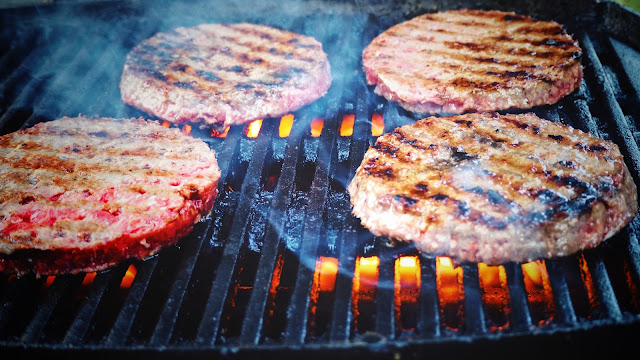
5 Tips for Choosing the Best Ground Beef for Your Recipes

Ground beef is a staple for most families. Whether it’s for chili, meatloaf, or tacos, there are some essential things to consider when selecting your ground beef.

Look for packages with a nice cherry red color. Anything darker may have been exposed to oxygen and could have been spoiled. Also, avoid buying ground beef that looks dry or pasty.

Look for the USDA Quality Grade

When it comes to choosing ground beef for recipes like meatloaf, tacos, or burgers, shoppers may find themselves comparing packages of ground beef that look very similar in the grocery store. While the packaging might say “ground chuck,” “ground round,” or “ground sirloin,” it’s important to know what these terms mean.

The quality grade system evaluates meat for traits that predict tenderness, juiciness, and flavor. The highest grade, Prime, is reserved for carcasses with a high level of marbling and is very tender. The two highest grades are Choice and Select, both very delicate. The lowest three grades are Utility, Commercial, and Canner, and these are typically used for really cheap ground beef and other processed meat products such as hot dogs and dog food.

While the higher-grade ground beef will cost more than cheaper options, it’s well worth the extra expense if you’re looking for the best possible meat for your family. The taste of the heart is far better than what you’d get from a low-grade cut labeled as hamburger or ground beef.

Look for the Lean-to-Fat Ratio

Many ground beef packages list the meat’s quality grade and lean-to-fat ratio. The fat content varies depending on the grind of the beef and its intended use.

The lean-to-fat ratio is usually listed on the package in a slashed number format, with the amount of lean meat before and the fat content after. For example, a box of 80/20 ground beef has a high level of lean meat and a low-fat group, making it ideal for burgers and other recipes that call for a formable patty that won’t fall apart or dry out.

Other types of ground beef are more suited to stews and soups as they contain more fat. One popular choice is ground round, which has a lower fat level but isn’t as juicy as other types of ground beef. It is often used in recipes of moist cooking methods, such as casseroles and stuffed peppers. It can also add moisture and richness to a dish without much fat.

Look for Freshness

Ground beef is one of the most perishable items in the meat case. So it’s important to choose new packages. A bright cherry-red color is a good sign, meaning the meat hasn’t gone bad. Also, be sure to smell the box, as foul odors can tell you a lot about the quality of the heart.

Ideally, it would help you to look for a source grind label, which tells you what part of the animal’s body the meat came from. This makes a difference when cooking, as the fattier cuts are more flavorful and tender.

In addition, choose packages with a “use by” date that is as close to your recipe’s window of opportunity as possible. And be sure to keep raw ground beef and other foods separated in the fridge, as cross-contamination can spread illness-causing bacteria from the meat to ready-to-eat foods. For longer shelf life, Underly likes the little plastic or foam packages (called trays) you sometimes find in the meat case, which can be stored in the refrigerator for about 2-3 days and frozen for up to three months. 

Look for the Meat’s Color

From the basic burger to meatloaf and chili, ground beef is the cornerstone of many dinner recipes. But have you ever considered what kind of ground meat you’re grabbing off that shrink-wrapped tray in the supermarket?

Those bright red packages of ground beef may look the same at a glance, but they each have a unique lean-to-fat ratio and come from different cuts of meat. Choose one that suits your cooking needs and goals, and opt for a high-quality cut of meat whenever possible.

To make the best choice, select a “source grind” that specifies which cut of meat is used in the mix. Canal House recommends selecting ground chuck (from the neck and shoulder) for casseroles and meatloaf and 80 percent lean ground sirloin for hamburgers.

Look for ground beef that is a rosy pink with defined white flecks of fat to ensure that the meat is fresh. Ground grayish or brown beef is a sign of spoilage and should be thrown away immediately for food safety reasons. The color change is due to the meat’s myoglobin changing to oxymyoglobin as it is exposed to oxygen.

Look for the Butcher’s Mark

Ground beef is a staple in many meals. It’s convenient, inexpensive, and delicious. However, not all ground beef is created equal. The quality of ground beef can make or break your recipe. This is why you should always buy the best ground beef you can afford. Whether you are making burgers, meatloaf, or casseroles, you want ground beef that is tender and flavorful. The best way to achieve this is to get your ground beef from a butcher or deli.

At the supermarket, look for packages that say what kind of cuts were used to produce the ground beef you are purchasing. For example, you will see boxes that indicate ground chuck, ground round, or ground sirloin. This will tell you what fat percentage was used and show its quality.

Always store your ground beef properly and avoid raw meats or ready-to-eat foods. Raw ground beef can spread illness-causing bacteria to those foods and utensils that come into contact with it. Also, never pour its liquified fat down the drain when cooking ground beef. This can cause clogs and lead to future plumbing problems.

SHARE:

How to Spot a Receding Hairline in Its Early Stages

Looking back at photos from several years ago can be a great way to assess how your hairline changes. To observe how your hair is thinning or growing, you can also pay special attention to your scalp when in the shower or good lighting. 

Thinner Areas of the Scalp

A receding hairline is a significant cause for concern. The sooner it is identified, the better the chance of reversing or minimizing its effects. Hair loss experts agree that it’s essential to recognize the early signs so that they can take action to stop a receding hairline before things progress out of control.

The first sign to look for is thinner areas of the scalp. While it’s normal to lose some strands of hair each day, if you are losing more than usual, this could be an early indication that your hairline is receding.

You should also pay attention to the way your hair feels daily. If it feels lighter when you run your fingers through or comb it, this may be an early indicator of thinning hair. Many medications for baldingcan help slow down the appearance of a receding hairline.

Some men have embraced their receding hairlines and are still considered attractive and sexy. Regardless, if you notice that one side of your head is thinning more than the other, it’s worth seeking out the advice of a medical professional. There may be underlying health conditions, such as thyroid or nutritional deficiencies, need to be addressed.

Changes in the Shape of Your Hairline

Many men can avoid receding hairlines by catching it in time and using treatment options. However, some have yet to be as lucky and have experienced thinning that has extended beyond the hairline and onto other areas of their scalp. These cases can be caused by diffuse thinning, which typically results in hair loss from multiple locations at once rather than one specific place.

The first sign of a maturing hairline is that the line parting your hair moves forward and becomes more prominent. To determine whether this is true for you, look closely at your hairline and see where the highest crease in your forehead is. If the new hairline is up to a half-inch taller than this, you can be sure that your receding hairline is maturing and not a precursor to baldness.

Knowing this is entirely normal is essential if you have a receding hairline. Hair loss is a natural part of aging, and both women and men experience it to some extent. However, receding hairlines can be a source of stress for some people, and it's worth addressing the issue before it gets out of hand. Talk to a doctor or trichologist about your hairline matters, and they can offer some advice.

Scalp Thinning

Hair loss often occurs gradually, and it can be challenging to determine if your hairline is maturing or in the early stages of receding. It’s also difficult to distinguish between a mature hairline and the beginning of male pattern baldness, which typically begins with a visible M-shaped thinning of the hair at the temples and a widened widow’s peak at the front of your scalp.

Your barber has a bird’s eye view of your scalp, so they may be able to provide you with an accurate assessment of the condition of your hairline. If your hairline is maturing, they can suggest a variety of haircuts that will add volume and conceal thin spots. While this is a Band-Aid solution and won’t stimulate new growth, it can make you feel more confident and comfortable as you pursue other hair restoration treatments.

It’s normal to lose 50-100 hairs each day, but if you’re losing more than that regularly, it could be a sign that your hair is thinning and that a receding hairline is imminent. It’s essential to catch this as soon as possible because once you experience a receding hairline, reversing the effect with medications and other non-invasive treatments is more challenging. Fortunately, if you notice these early signs of a receding hairline, you can take steps to slow down or prevent the progression with the help of a hair loss specialist, or even opting for cosmetic treatments such as Scalp Micropigmentation to reduce the appearance of thinning of the hair on the scalp. 

Changes in the Color of Your Hair

A receding hairline can also signify that your hair is getting thinner overall. This is especially true if your hair appears dull or lackluster compared to how it looked previously.

This may result from thinning hair or even a complete loss of your hair. Consider a haircut that can help cover your thinning scalp if this is the case. A slicked-back undercut is one of the best options, which can help make your hair appear thicker and hide bald spots.

Another common sign of a receding hairline is a sagging, sunken forehead. This can be caused by traction alopecia or a medical condition known as frontal fibrosing. In both cases, the disease can cause thinning hair along the temples and a receding hairline.

While it is natural to be worried about a receding hairline, it is essential to keep in mind that most of the time, these changes are not severe and can be dealt with with certain medications or treatments. It is necessary to check in with a dermatologist or trichologist when you notice these symptoms so that they can properly diagnose what’s happening and recommend the right course of action.

A dermatologist can run a series of tests to determine the cause of your receding hairline. These may include a biopsy, which involves removing a small amount of scalp tissue and evaluating it for any signs of illness or damage. They may also run bloodwork to see if any conditions, such as thyroid disease, contribute to hair loss.

SHARE:
Blogger Template Created For Mom Files All Rights Reserved